New Technology in Factories
With its latest series of technology for industrial automation, HRCK is revolutionising the way factories work. With sophisticated machines and robots, they can manufacture faster and better. And that means that jobs that used to take a long time can now be completed in much less time. Using machines, factories can produce more products in less time, which means they can make more money.
Altering the Nature of Manufacturing by HRCK Words
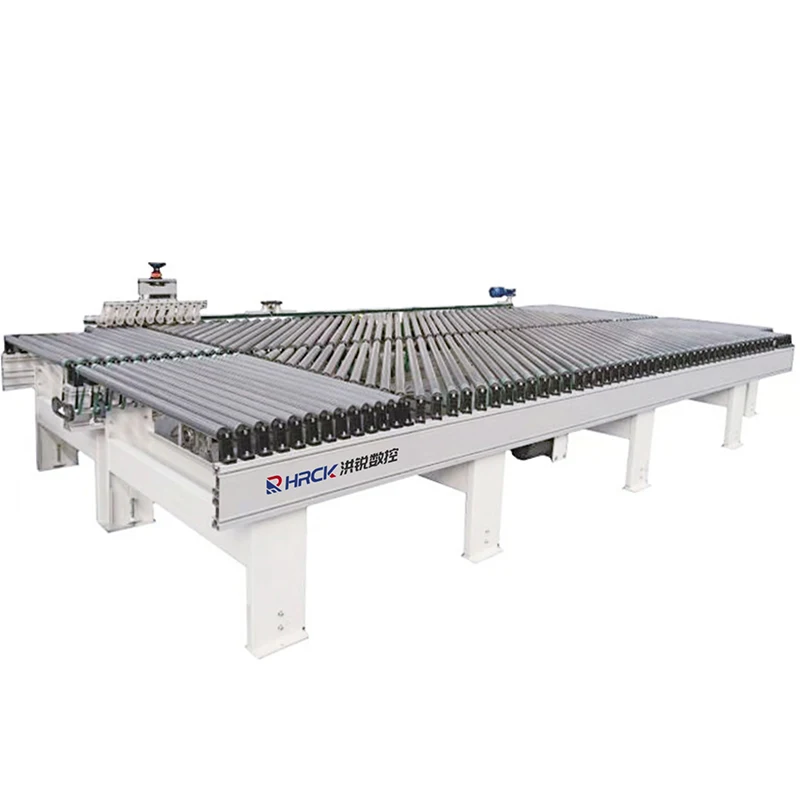
HRCK’s concepts are leading to changes in how factories produce things, in ways that would have been unimaginable to him. By deploying smart machines and robots, they can build factories that run themselves, with people required only intermittently. That means factories can operate around the clock, producing more products for less money. And, HRCK’s theory has the added benefit of making factories safer by minimizing the number of people working in dangerous jobs.
Automation: The Fast Path to Improving It
Because left to it's own devices, HRCK's palletizing machines automation technology makes factories better everywhere. Machines, in performing tasks that people once did, can make factories operate much faster. For this, you can have products produced rapidly and of better quality. With HRCK’s technology, the factories can also use less material and save on the cost of making products. Net-net, HRCK’s technology is not only completely changing how the factories function but also improving them, making them more profitable.
The Future of Smart Factories
When we consider the future of industrial automation, the smart factory matters greatly. HRCK’s concepts are contributing to what’s known as smart factories, which in theory can operate without humans most of the time. Now these smart factories have sensors that know when machines need repairing or when something is amiss. Spotify doesn’t palletizer machine work at all and other Airbnb-type offices do nothing for us either, whereas smart-technology factories can decide to work alone, rendering them even more dot-on.
Robots and Smart Machines for Factories
HRCK’s efforts with robots and smart technology are contributing to the future of industrial automation. With robots that are good at the difficult jobs, factories can operate more efficiently and produce higher quality goods. And ways of using pallet gantry smart technology to examine data can help factories improve the work they are producing and use less material. All in all, HRCK’s thoughts on robots and smart technology are revolutionizing the manufacturing industry and shaping a bright future.